Expert Tips for Model Car Customization Tips
- Apr 13
- 3 min read
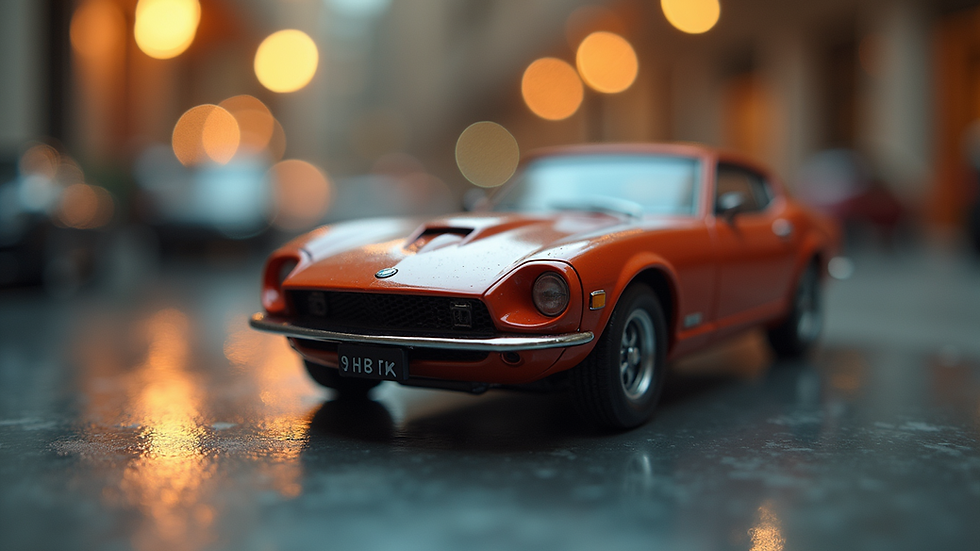
Customizing model cars is a rewarding hobby. It lets you bring your miniature vehicles to life. You can add personal touches and make each model unique. Whether you are new or experienced, these expert tips will help you improve your skills and enjoy the process more.
Start with a Clean and Organized Workspace
Before you begin customizing, set up a clean workspace. This helps you work efficiently and avoid losing small parts. Use a flat surface with good lighting. Keep your tools and materials within reach.
Use a cutting mat to protect your table.
Have small containers for screws and tiny parts.
Use a magnifying glass or lamp with magnification for detailed work.
A tidy workspace reduces mistakes and makes the process smoother.

Essential Model Car Customization Tips
Focus on the basics first. These tips will help you get better results and enjoy the hobby more.
Choose the Right Tools
Invest in quality tools. Basic tools include:
Hobby knives for cutting and trimming.
Fine sandpaper or sanding sticks for smoothing surfaces.
Small paintbrushes for detailed painting.
Tweezers for handling tiny parts.
Glue designed for plastic models.
Good tools make your work easier and more precise.
Prepare the Model Properly
Before painting or assembling, clean the parts. Remove any mold lines or flash with a hobby knife or sandpaper. Wash the parts with mild soap and water to remove oils or dust. Let them dry completely.
This preparation ensures paint and glue stick well.
Use Primer Before Painting
Apply a primer coat to your model. Primer helps paint adhere better and shows any surface imperfections. Use a spray primer for even coverage. Choose a color that matches your final paint scheme - gray or white are common.
Let the primer dry fully before painting.
Paint in Thin Layers
Apply paint in thin, even layers. Thick paint can hide details and cause drips. Use multiple light coats instead of one heavy coat. Allow each layer to dry before applying the next.
Use acrylic paints for easy cleanup and quick drying. Use enamel paints for a glossy finish but allow more drying time.
Add Details with Decals and Weathering
Decals add realism to your model. Apply them carefully using tweezers. Soak decals in water to release them from the backing paper. Use decal setting solution to help them conform to surfaces.
Weathering techniques make your model look used and realistic. Use washes, dry brushing, or pastel chalks to add dirt, rust, or wear marks.
Painting Techniques for Model Cars
Painting is a key part of customization. Here are some techniques to improve your paint job.
Airbrushing for Smooth Finish
If you have an airbrush, use it for a smooth, even finish. Thin your paint according to the manufacturer’s instructions. Practice on scrap pieces before painting your model.
Hand Painting for Details
Use fine brushes for small details like lights, grills, and trim. Steady your hand by resting it on the table. Use magnification if needed.
Masking for Clean Lines
Use masking tape to cover areas you don’t want to paint. This helps create sharp lines and patterns. Press the tape edges firmly to prevent paint bleed.

Assembly and Modifications
Assembling your model carefully is important. Follow the instructions but feel free to make modifications.
Test fit parts before gluing.
Use plastic cement for strong bonds.
Modify parts by sanding or cutting to change shapes.
Add aftermarket parts like wheels or spoilers for customization.
Take your time to avoid mistakes.
Finishing Touches and Display
After painting and assembly, add finishing touches.
Apply a clear coat to protect paint. Choose matte, satin, or gloss finish.
Add small details like antennae, mirrors, or decals.
Use a display case to protect your model from dust.
Proper finishing enhances the look and longevity of your model.
Keep Learning and Sharing
Join online forums and communities to learn new techniques. Share your work and get feedback. Use resources like tutorials and videos to improve.
For more detailed advice, check out this customizing model cars tips guide.
Enjoy the process and keep experimenting. Each model is a chance to improve your skills and create something special.