Mastering the Art of Model Car Customization Tips
- Mar 31
- 3 min read
Customizing model cars is a rewarding hobby. It lets you bring your miniature vehicles to life. You can add personal touches and create unique pieces. Whether you are new or experienced, this guide will help you improve your skills. Follow these steps to master the art of customizing model cars.
Getting Started with Model Car Customization Tips
Start by choosing the right model car kit. Look for kits that match your skill level. Beginners should pick simple models with fewer parts. More advanced hobbyists can try complex kits with detailed components.
Gather essential tools before you begin. You will need:
Hobby knives
Fine sandpaper
Paintbrushes of various sizes
Tweezers
Glue designed for plastic models
Primer and paint suitable for plastic
Set up a clean workspace with good lighting. Organize your tools and materials for easy access. This will make the process smoother and more enjoyable.

Preparing Your Model for Customization
Preparation is key to a great finish. Start by carefully removing parts from the sprue. Use a sharp hobby knife or sprue cutter to avoid damage. Clean any leftover plastic nubs with fine sandpaper.
Next, wash the parts in warm soapy water. This removes oils and dust that can affect paint adhesion. Let the parts dry completely before moving on.
Apply a thin coat of primer to all parts. Primer helps paint stick better and shows any surface imperfections. Sand lightly after priming if you find rough spots.
Painting Techniques to Enhance Your Model
Painting is where your model really comes to life. Use thin layers of paint to avoid obscuring details. Apply multiple coats if needed, allowing each to dry fully.
Try different painting methods:
Brush painting: Good for small details and touch-ups.
Spray painting: Provides a smooth, even finish on larger surfaces.
Airbrushing: Offers precise control and professional results but requires practice.
Use masking tape to protect areas you don’t want to paint. This helps create clean lines and sharp edges.
Experiment with colors and finishes. Matte, gloss, and metallic paints can change the look dramatically. Add weathering effects like rust or dirt for realism.

Adding Details and Custom Features
Details make your model stand out. Consider upgrading parts like wheels, lights, and interiors. You can buy aftermarket accessories or scratch-build your own.
Use decals to add logos, numbers, or designs. Apply them carefully with tweezers and seal with a clear coat to protect them.
Try customizing the interior with fabric, paint, or small parts. Adding seat belts, dashboard details, or driver figures enhances realism.
Don’t forget about the base or display stand. A well-made base can complement your model and showcase it better.
Tips for Maintaining and Displaying Your Customized Model
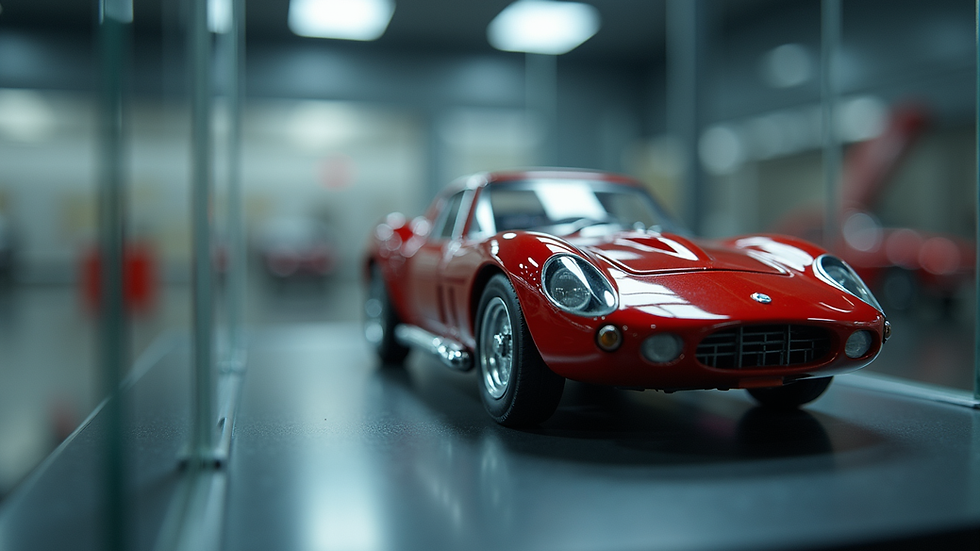
Once your model is complete, protect it from dust and damage. Use a display case or cover it with a clear acrylic box.
Keep your models away from direct sunlight to prevent fading. Handle them with clean hands or gloves to avoid fingerprints.
Regularly check for loose parts or paint chips. Touch up as needed to keep your model looking its best.
Join online communities or local clubs to share your work and learn from others. You can find valuable advice and inspiration.
For more detailed advice, explore customizing model cars tips to enhance your skills further.
Embrace Your Creativity and Keep Improving
Customizing model cars is a journey. Each project teaches you new skills. Don’t be afraid to try new techniques or styles. Keep practicing and experimenting.
Your passion will show in your work. Enjoy the process and the satisfaction of creating something unique. With patience and dedication, you will master the art of model car customization.
Happy modeling!