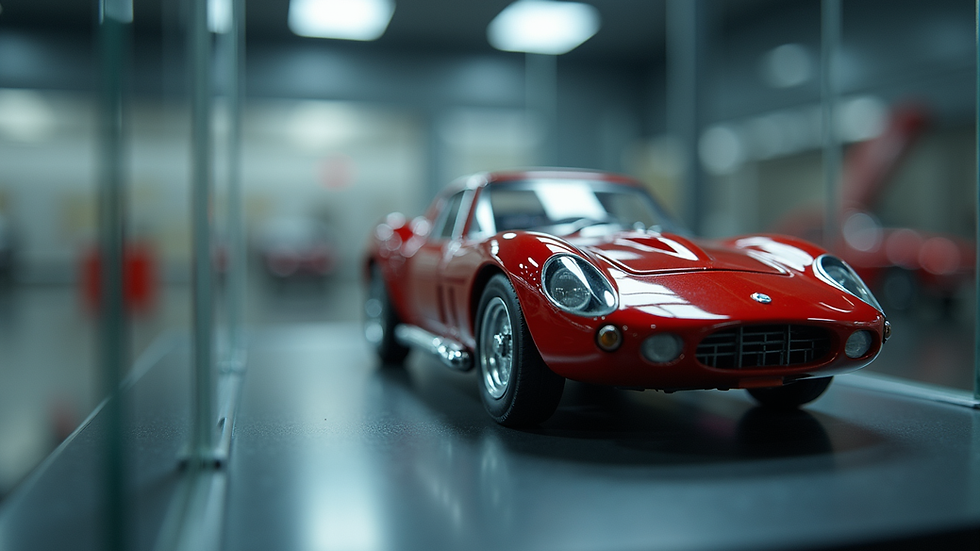
Practical Customizing Model Cars Ideas
- Jun 9
- 3 min read
Customizing model cars is a rewarding hobby. It lets you add personality and detail to your collection. Whether you are new or experienced, you can improve your skills with simple steps. This guide offers practical advice to help you get started or refine your techniques.
Start with the Right Tools and Workspace
Before you begin customizing, set up a clean and organized workspace. Good lighting and a flat surface are essential. Gather basic tools such as:
Hobby knives
Fine paintbrushes
Tweezers
Sandpaper or files
Glue suitable for plastic or metal
Invest in a cutting mat to protect your table. Keep your tools within reach to avoid interruptions. This setup helps you work efficiently and safely.

Explore Customizing Model Cars Ideas
Think about what you want to achieve with your model car. Do you want to replicate a real car or create a unique design? Here are some ideas to inspire you:
Change the paint color or add custom decals
Modify the wheels or tires for a different look
Add weathering effects to make the car look used
Install LED lights for realism
Customize the interior with new seats or dashboard details
Start small and build your skills gradually. Experiment with different techniques to find what you enjoy most.

Prepare and Clean Your Model Properly
Before painting or gluing, clean your model carefully. Dust, oils, and mold release agents can prevent paint from sticking. Use mild soap and water, then let the model dry completely. Lightly sand rough areas to improve adhesion.
Remove any parts you want to paint separately. This helps you avoid mistakes and get a cleaner finish. Label small parts to keep track of them during assembly.
Painting Techniques for a Professional Look
Painting is a key step in customization. Use thin layers of paint to avoid drips and uneven surfaces. Acrylic paints are popular because they dry quickly and clean up easily. Spray paints can give a smooth finish but require good ventilation.
Try these tips:
Apply a primer before painting to help the paint stick
Use masking tape to protect areas you don’t want to paint
Let each layer dry fully before adding another
Use a fine brush for details and a larger brush or airbrush for bigger areas
Practice on spare parts or old models to improve your technique.
Adding Details and Finishing Touches
Details make your model stand out. Use decals, stickers, or custom-made parts to add realism. Weathering techniques like dry brushing or washes can simulate dirt and wear.
Seal your work with a clear coat to protect the paint and decals. Choose matte, satin, or gloss finishes depending on the look you want.
Remember to handle your model carefully after finishing. Store it in a dust-free case or display it safely.
Keep Learning and Sharing Your Work
Join online forums and communities to exchange ideas and get feedback. Watching tutorials and reading guides can introduce you to new methods. Sharing your progress motivates you and connects you with others who share your passion.
For more detailed advice, check out this customizing model cars tips resource.
Enjoy the Process and Have Fun
Customizing model cars is about creativity and patience. Take your time and enjoy each step. Celebrate your progress, no matter how small. Your collection will grow with unique pieces that reflect your style.
Keep experimenting and learning. The more you practice, the better your models will look. Happy customizing!