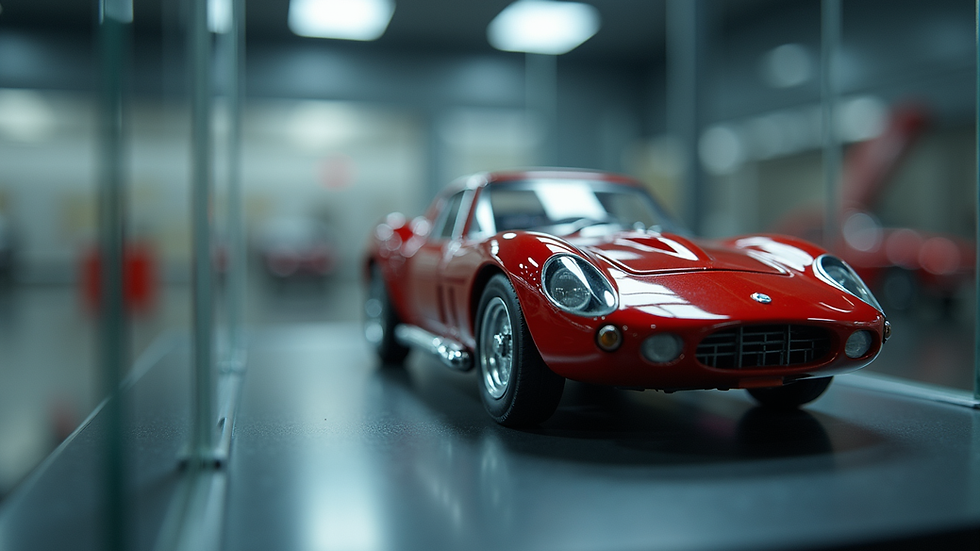
Top Tips for Customizing Model Car Ideas
- May 18
- 3 min read
Customizing model cars is a rewarding hobby. It lets you bring your miniature vehicles to life. You can add personal touches and make each model unique. Whether you are new or experienced, these tips will help you improve your skills and enjoy the process more.
Start with a Clear Plan
Before you begin customizing, plan your project. Decide what kind of look you want. Do you want a classic finish or a modern style? Sketch your ideas or write them down. This will guide your work and keep you focused.
Choose the right model car for your plan. Some models are easier to customize than others. Look for kits with parts that can be removed or replaced. This makes painting and detailing simpler.
Gather all the tools and materials you need. Common tools include:
Fine paintbrushes
Hobby knives
Sandpaper
Glue suitable for plastic or metal
Paints (acrylic or enamel)
Decals and stickers
Having everything ready saves time and avoids frustration.

Explore Customizing Model Car Ideas
Explore different customizing model car ideas to find what excites you. You can change the paint color, add decals, or modify parts. Some popular ideas include:
Painting: Use primer first for better paint adhesion. Apply thin coats and let each dry before the next.
Weathering: Add dirt, rust, or scratches for a realistic look. Use dry brushing or washes for subtle effects.
Detailing: Paint small parts like headlights, grills, and rims carefully. Use fine brushes or toothpicks.
Modifications: Replace wheels, add spoilers, or change the interior. Some hobbyists even add LED lights.
Try combining these ideas to create a unique model. Remember, practice improves your skills.

Prepare Your Model Properly
Preparation is key to a good finish. Clean the model parts before painting. Use warm soapy water and a soft brush to remove oils and dust. Let the parts dry completely.
Remove any mold lines or flash with a hobby knife or fine sandpaper. This makes the surface smooth and ready for paint. Be gentle to avoid damaging details.
If you plan to glue parts, test fit them first. This helps you see how they fit and if any adjustments are needed. Use glue sparingly to avoid mess.
Prime the model with a suitable primer. This helps paint stick better and shows any imperfections you missed. Choose a primer color that matches your paint scheme.
Use Quality Paints and Tools
Invest in good quality paints and tools. Cheap paints may not cover well or last long. Acrylic paints are popular because they dry fast and clean up easily. Enamel paints offer a glossy finish but take longer to dry.
Use brushes with fine tips for details. Synthetic brushes work well with acrylics. For larger areas, use flat brushes or airbrushes if you have one.
Keep your brushes clean. Rinse them often while painting and wash them thoroughly after use. This extends their life and keeps your work neat.
Use masking tape to protect areas you don’t want to paint. This helps create sharp lines and clean edges.
Add Realistic Details
Details make your model stand out. Use decals to add logos, numbers, or designs. Apply them carefully with tweezers and a soft brush. Use decal setting solution to help them conform to curves.
Add weathering effects for realism. Use pastels, chalks, or weathering powders to simulate dirt and rust. Apply lightly and build up gradually.
Consider adding small accessories like antennas, mirrors, or license plates. These tiny touches add authenticity.
If you want to go further, try scratch-building parts with plastic sheets or metal wire. This takes skill but can make your model truly unique.
Protect Your Work
After customizing, protect your model with a clear coat. Use matte, satin, or gloss finish depending on your desired look. Spray clear coats evenly and in thin layers.
Let the clear coat dry completely before handling the model. This prevents fingerprints and damage to your paint job.
Store your model in a dust-free place. Display cases are ideal. Avoid direct sunlight to prevent colors from fading.
Keep Learning and Sharing
Join online forums and communities to learn new techniques. Share your work and get feedback. Watching tutorials and reading guides can inspire new ideas.
Experiment with different styles and methods. Don’t be afraid to make mistakes. Each project teaches you something new.
For more detailed advice, check out customizing model cars tips. This resource offers practical guidance for all skill levels.
Enjoy the Process and Your Collection
Customizing model cars is about enjoying the craft. Take your time and have fun. Each model you finish is a step forward in your hobby.
Display your collection proudly. Show your unique creations to friends or at hobby shows. Your passion and effort will shine through every detail.
Keep exploring new ideas and techniques. The world of model cars is vast and full of possibilities.
Happy customizing!